For more than a decade Cpl. Lexis Wilson has patrolled Jefferson County with the goal of protecting our natural resources and investigating game law violations, but the role of conservation agent goes way beyond those familiar tasks.
Maybe most importantly, agents educate the public about the wild world around us. One subject that has been near and dear to Wilson since her arrival here in 2015 has been the wandering black bears who visit for only a very short time almost every spring.
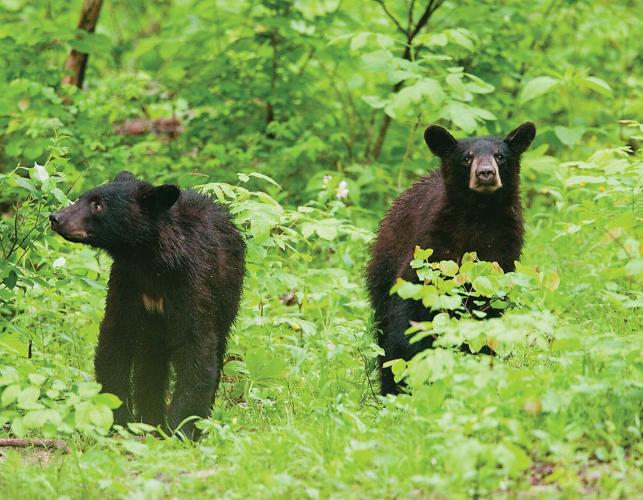
Missouri has a growing bear population whose home range continues to expand. Most of them live in the dense wilderness of Mark Twain National Forest across the southern third of the state. As spring begins to turn to summer, young male bears get wandering souls and leave their home turf in search of greener pastures to claim as their own.
The young bruins are on the prowl for comfortable habitat, ample food sources, and female companionship. They will travel as far north as Jefferson County and beyond, but while our local streams and forests can provide the first two, component number three is not available here.
One of Wilson’s most consistent lessons offered to area residents is to limit the traveling bears’ access to easy eats. Pet food containers and bird feeders are obvious attractions, but so too are trash cans and barbecue grills. Bee hives should be protected by electric fences.
Wilson believes the message about limiting attractions for bears, along with a gradual acceptance of their occasional presence has led to a more peaceful coexistence between bears and the residents of Jefferson County.
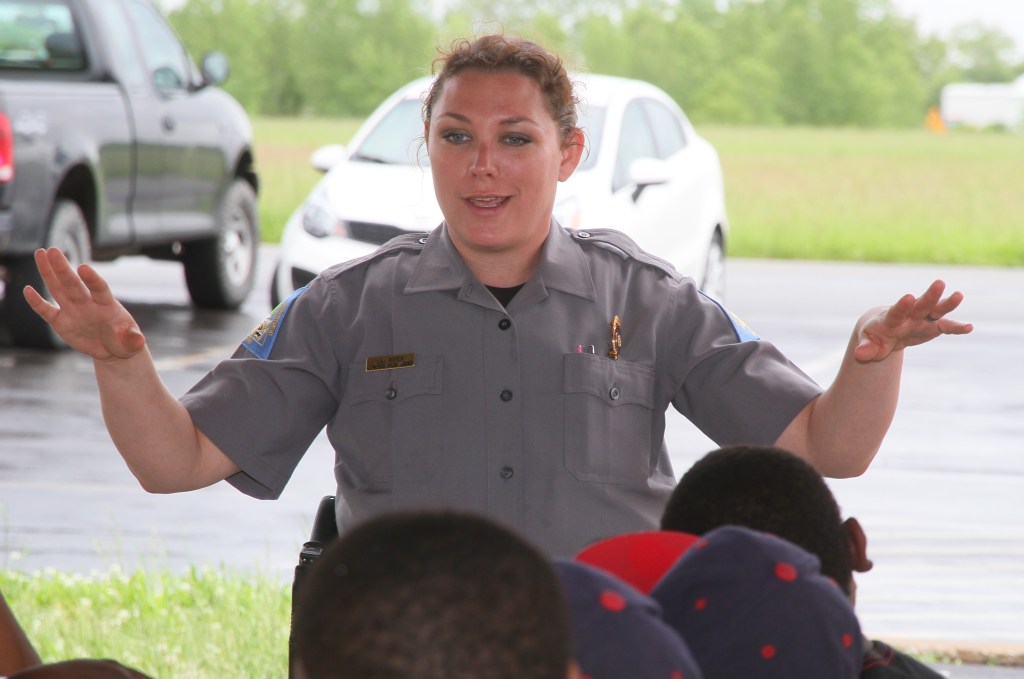
“People are beginning to get a little more comfy with the idea of bears in the county,” Wilson said. “For example, last spring one came through town in De Soto, and nobody even called me about it. I’d like to think that means they are starting to get more comfortable with sharing the county with black bears.”
Calling the conservation agent to report interesting wildlife encounters helps track movements and can provide an alert for others to be aware of any visitors. Wilson can be reached by telephone or text at 314-696-9425. Another helpful resource is bearwise.org, a cooperative organization supported by the Missouri Department of Conservation and other state wildlife agencies.
I signed-up for the monthly newsletter when I first learned about BearWise, and I get great information all year long. A recent missive included a link to a new, free four-page PDF of facts about our bears. With research from across the country, Meet the American Black Bear answers questions that separate fact from fiction.
- Where Black Bears Live
- A Bear’s Natural Diet
- Black Bear Physical Traits
- About Bear Cubs
- The Life of Black Bears
Another BearWise email I received at the beginning of this month included compelling news with a lead story about encounters between bears and dogs.
“Bears don’t like to be barked at, chased, or cornered. When a bear feels threatened and doesn’t see an easy way to get away from ‘danger,’ the natural instinct for self-preservation kicks in, and the bear will most likely defend itself,” the newsletter explained. “No matter how big and strong your dog is, pound-for-pound bears are much stronger and more powerful.”
Troublesome human and bear encounters often begin with a dog. Those interactions often result in injuries or death for the pet, and can be very dangerous for people too. With a little bit of improved understanding, those situations can be avoided.
BearWise is a national education and outreach program created by the Association of Fish and Wildlife Agencies. To learn more or subscribe to the free newsletter, visit bearwise.org.
John Winkelman has been writing about outdoors news and issues in Jefferson County for more than 30 years and was the Associate Editor for Outdoor Guide Magazine.
 Don't Call Me Outdoor John